
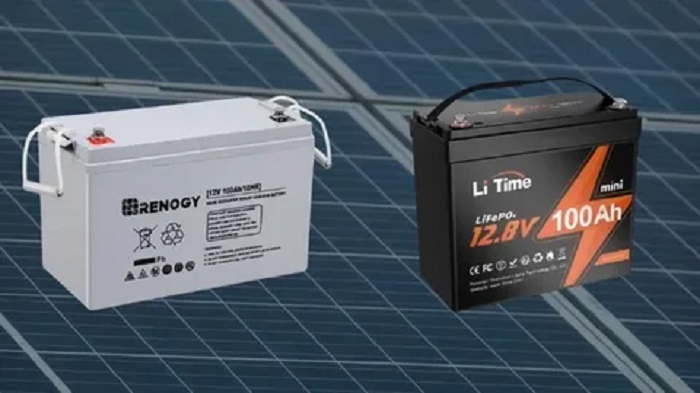
Battery chemistry is one of those topics that can make a normal solar conversation turn technical fast. Still, it matters. The chemistry affects usable capacity, maintenance, size, weight, safety design, cycle life, and how comfortable a homeowner will feel living with the system for years.
Two names come up often: LFP and lead-acid. LFP stands for lithium iron phosphate, a lithium-ion chemistry widely used in stationary energy storage. Lead-acid is the older battery family that has powered cars, boats, backup systems, and off-grid cabins for decades.
Why LFP Became Common in Home Storage
Modern residential ESS products often use lithium-based batteries because they pack more usable energy into less space and support deeper cycling than traditional lead-acid systems. LFP in particular is popular for stationary storage because it is known for stable thermal behavior and long cycle life when managed properly.
The Department of Energy describes lithium-ion batteries as one technology used for energy storage, while noting that storage lets electricity be used at a different time than when it was generated. For solar homes, that is the core value: charge at midday, discharge in the evening, and reserve power for outages.
Buyers comparing residential ESS products should not look only at chemistry, though. The battery management system, enclosure, inverter, certifications, installation quality, and software controls all influence the real system.
Why Lead-Acid Still Appears in Some Projects
Lead-acid batteries are familiar and can have a lower upfront hardware cost. In some off-grid or budget-sensitive projects, especially where the owner already understands maintenance, lead-acid may still be considered.
The trade-offs are important. Lead-acid batteries usually take more space for the same usable energy, may require more maintenance depending on type, and often should not be deeply discharged if long life is expected. That means a nominally large lead-acid bank may offer less practical usable capacity than it appears on paper.
Lithium systems usually cost more upfront, but the usable energy, reduced maintenance, and cycle life can make them more practical for daily solar shifting. A home battery that cycles most days is very different from an emergency battery that sits idle for months.
A Practical Comparison
For a homeowner, the comparison can stay simple:
· Daily solar self-use: LFP usually fits better
· Tight indoor or garage space: LFP often has the advantage
· Lowest initial hardware cost: lead-acid may look attractive
· Low-maintenance backup: LFP usually wins
· DIY legacy systems: lead-acid may still be familiar
This does not mean every lithium product is good or every lead-acid system is bad. It means the intended use should drive the decision. Daily cycling rewards efficiency and cycle life. Rare emergency backup puts more weight on standby reliability and maintenance.
Do Not Ignore the Inverter and Controls
Battery chemistry gets attention, but a home storage system is more than cells. The inverter determines how much power can be delivered. The monitoring system shows state of charge and energy flow. The controls decide whether the battery charges from solar, holds reserve for backup, or discharges during expensive utility periods.
That system-level view is one reason all-in-one ESS products are attractive. When the battery, inverter, and energy management software are designed to work together, the owner has fewer mismatched components to manage.
For most grid-tied solar homes looking at new equipment, LFP-based storage will be the more natural shortlist. Lead-acid still has a place in certain budget or legacy setups, but homeowners should compare usable capacity, maintenance, warranty, and cycle expectations before treating it as the cheaper option.